 For children, Halloween is a fun time to be imaginative and become anyone you want to be. Adults have co-opted this holiday for their own purposes, and some even bring their fantasy selves to work in the form of a dress-up day. Is it a good idea to dress up at work for Halloween or a big mistake? The answer is “it depends.” It depends on where you work and what you plan to wear. [Read more…] about Should you dress up for Halloween at work?
What happens when you lie on your resume

“Seeking liars; apply within.” An unlikely headline for any job. While some employers may be lazy and fail to confirm credentials before hiring certain applicants, people who embellish their qualifications or lie about them are always at risk for losing their positions — even after having worked in the job for years.
Case in point, news reports indicate that Steve Masiello’s coaching career has gone into limbo because the University of South Florida (USF) decided to verify his credentials before extending a formal offer to recruit him away from his current position at Manhattan College. Clearly, based on his bio posted on his current employer’s website, he was representing himself as having a bachelor’s degree. A background check uncovered the lie; he never graduated. Now, he stands to lose the offer to join USF he is on leave from his current job as a result. One lie could result in two lost jobs.
If you don’t want to be looking over your shoulder or hoping no one in HR gets suspicious and decides to audit their files, avoid these whoppers on your resume:
Lies About Past Employers
Do not lie about where you worked, even if you think it sounds impressive to pad your resume with big-name employers. It’s very easy to verify employment, even via a quick review of LinkedIn contacts and an email or two.
Lies of Omission
If you think failing to mention key points will keep you out of trouble, think again. “You never actually asked me if I graduated with a degree” will not serve as a good excuse if you’re approached about lying about your academic credentials that may be listed in an ambiguous manner on your resume. Leaving dates off your resume and failing to disclose other details is not wise.
As illustrated in Masiello’s case, these lies can come back to bite you, even after you’ve been in a job. In fact, there was a case of a dean at MIT who resigned her post after working there for 28 years when the university audited its files and learned she did not have degrees from the three schools listed on her initial resume.
Half-Truths
Plan to leave a job off your resume because you were only there for a short time? Keep in mind, there is a lot of scrutiny on new hires, and if a company conducts a background check, you’ll need to be prepared to explain why you didn’t want anyone to know you worked in that company. You don’t want to raise any red flags or spook employers who might wonder what else they don’t know about you before they hire you.
Little Embellishments
You’ve likely read about how personal branding is an important part of marketing yourself for a job, but you may have incorrectly assumed boosting your qualifications was part of growing your brand. Avoid embellishing your titles, your mentors or your skills and accomplishments on your resume and you’re much more likely to land in a job that’s the right fit for you. Avoid this big job search mistake to find – and keep – your next job.
Originally appeared on AOLJobs.com.
Can you “text in” sick at work?
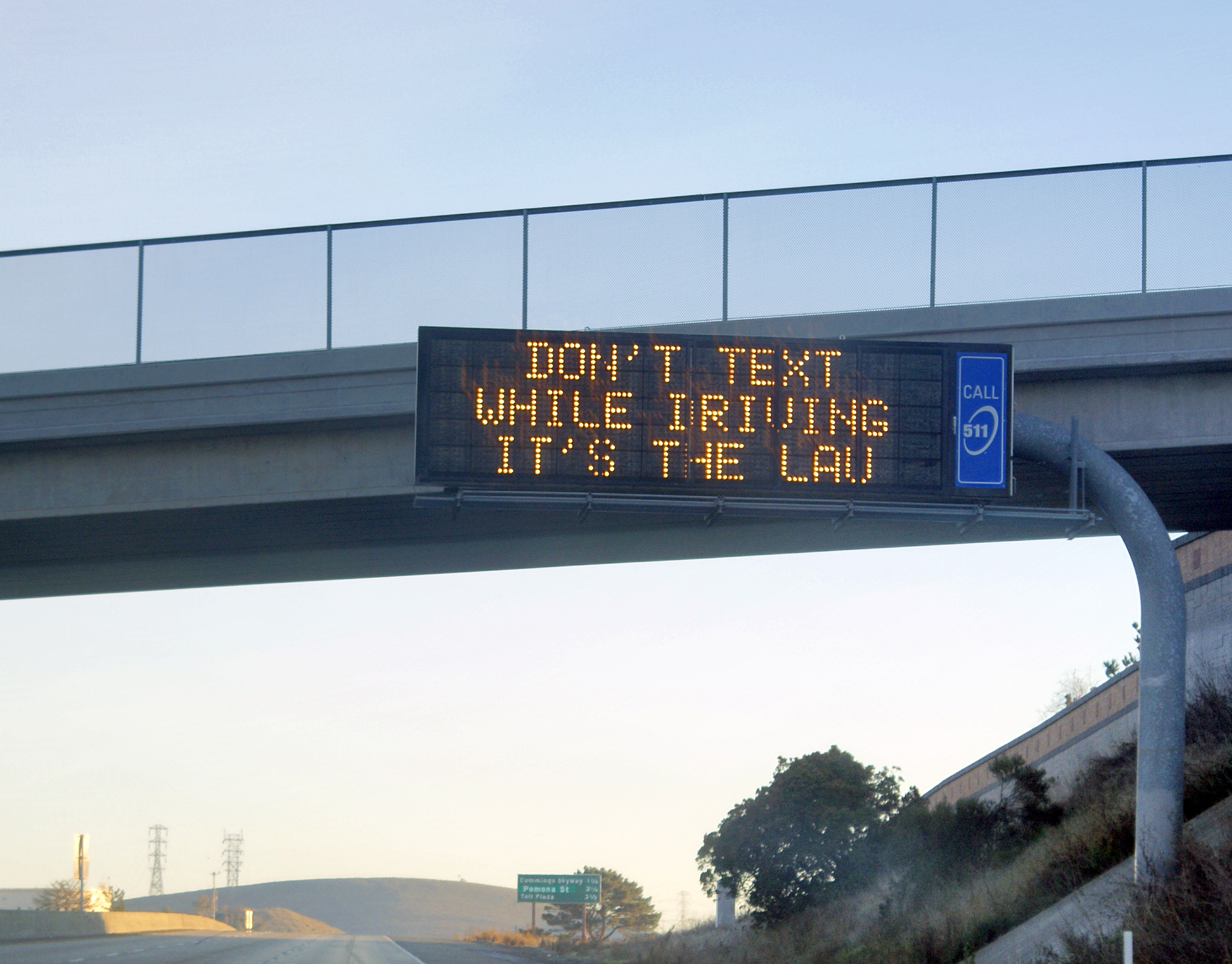 No matter where you work, knowing how to communicate effectively with your boss, colleagues and clients is key to your continued success. However, with so many different mechanisms to get in touch with people, it isn’t always easy to choose the most appropriate tools to communicate. For the traditionalists, in-person communication has always trumped all other methods, including other long-standing options, such as telephone and email.
However, what if your boss or team reside in far-flung spots all over the globe – or at least all over town? Many people rarely, if ever, see their colleagues in person due to telecommuting and team members based in different places. When in-person interaction requires an airplane ride, you need to consider other appropriate methods to get in touch. The tricky thing: it’s not always obvious what’s appropriate and what is not.
Go-to communication in lieu of in-person meetings now can include: phone, email, text, direct messages (via Twitter), Facebook messages, or, in some cases, even Instagram, SnapChat,Whatsapp or other texting applications. Some people even communicate with their bosses by simply sending an image via text!
However, just because you can doesn’t mean you should. In an environment where there are so many methods to connect and communicate, it’s even more important to evaluate the best tools to use when engaging professionally with your boss or co-workers.
Consider these scenarios and make a decision about how to communicate based on your circumstances:
“Calling in” sick.
This could be a misnomer in the future, if talking on the phone becomes less typical and texting even more accepted. Unless your boss specifically requested you to communicate your sick days via text, it’s generally expected that a sick day requires a phone call. Of course, there are many exceptions. Maybe your boss is in a different time zone or calling isn’t practical. Consider other, more permanent options to communicate, such as email, in those cases. Even if you don’t text, however, keep an open mind and be aware that texting is becoming more accepted in many work environment. If your boss wants you to “text” in sick, don’t balk.
Sharing good news.
It’s always fun to share good news on the phone or in person, but good news may give the communicator a “pass” on worrying about appropriate tools. The better the news, the more excited someone will be to learn about it and the less likely the recipient is to analyze whether or not you should have communicated it in a different way.
While you should absolutely be attentive to the typical methods of communicating, unless your boss never checks texts, it’s unlikely anyone will complain if you text a screen shot of your great sales numbers or a photo representing a big win. Consider following it up with a more formal update, such as via email or phone.
Asking for a Raise
Some things haven’t shifted with the times. It’s unlikely even the most text friendly boss will want to receive a request for a raise via text, or even email. It’s best to communicate this type of request either in person, if possible, or on the phone if an in-person meeting isn’t feasible.
Constantly evaluate.
The best approach for any professional is to ask in advance about preferred ways to communicate. If you see people are changing how they communicate, re-assess and ask if you have questions about what’s expected and acceptable. Even though many bosses would balk at a text to “call in” sick, it’s possible your situation is different, or you have a supervisor who doesn’t fit a typical mold. As more communication options become available, the onus will always be on the individual to evaluate and make the best choice based on his or her own circumstances.
Originally appeared on AOLJobs.com.
Strangest reasons to miss work
 Is work becoming tiresome? Do you need a “mental health day” and a break from your job and co-workers? Sometimes, just calling in sick (cough, cough) doesn’t seem inventive or interesting enough, and you ramp it up a bit by offering a more interesting excuse.
Before you decide to call in sick (when you’re not really sick), or provide another excuse to stay home, keep in mind that some distrusting employers may decide to check up on you. A survey from Career Builder found 30% of employers checked in on employees to make sure they weren’t making up excuses to miss work. The survey found 64% required a doctor’s note for being sick, 48% called the employee during the missed day of work, 19% snooped on social media posts, 17% asked another employee to call the worker and 15% reported that they had driven by the employee’s house. (Presumably to determine if the person was actually at home or not.)
Recently, a man in Florida went so far as to fake a home burglary to avoid going into work. Apparently, he did not know that reporting a false crime was actually illegal; he wound up in jail.
Most people don’t go to such lengths to avoid work, but they do come up with some interesting excuses. Have you ever heard (or used) any of these:
“I was so overwrought because my team lost last night, I just couldn’t get out of bed.” There’s a reason the term “fan” comes from the work “fanatic,” but even the most die-hard fans would balk at this excuse for missing work.
“There was a squirrel in my house and I needed to wait for animal control. They took all day to get there.” It sounds crazy, but it is possible for outdoor animals to find their way into the house. Would you really want to leave home with a squirrel roaming your house? However, if this is true, it may be wise to post some timely pictures on social media of the squirrel chowing down on your cat’s food in the kitchen.
“The cat got out and is hiding under the deck.” If you have animal lovers in your office, they probably wouldn’t expect you to leave your indoor cat outdoors for the day. However, as with the squirrel, you better have some photos, and does it really take you the whole day to rescue your cat?
“There’s a sinkhole in my yard.” What sounds like a crazy excuse could actually be true, but this is pretty easy to confirm, especially if your employer is the “drive by to check on you” type.
“I didn’t have a thing to wear.” Even if you work in a fashion conscious environment, this is unlikely to hold water as a reasonable excuse to stay home from work. Similarly, “I can’t find my shoes” will not garner much sympathy.
“The electricity went out and I can’t open my garage door.” Even if you’re not particularly handy, it shouldn’t be too difficult to disable to automatic garage door. Alternatively, consider other transportation options, such as a cab or a ride with a friend.
Even if you work in a creative industry, make sure you’re using your skills to your advantage, and not to get you in trouble with your boss and colleagues. Don’t be the one in the office best known for reasons NOT to come to work!
Originally appeared on AOLJobs.com.